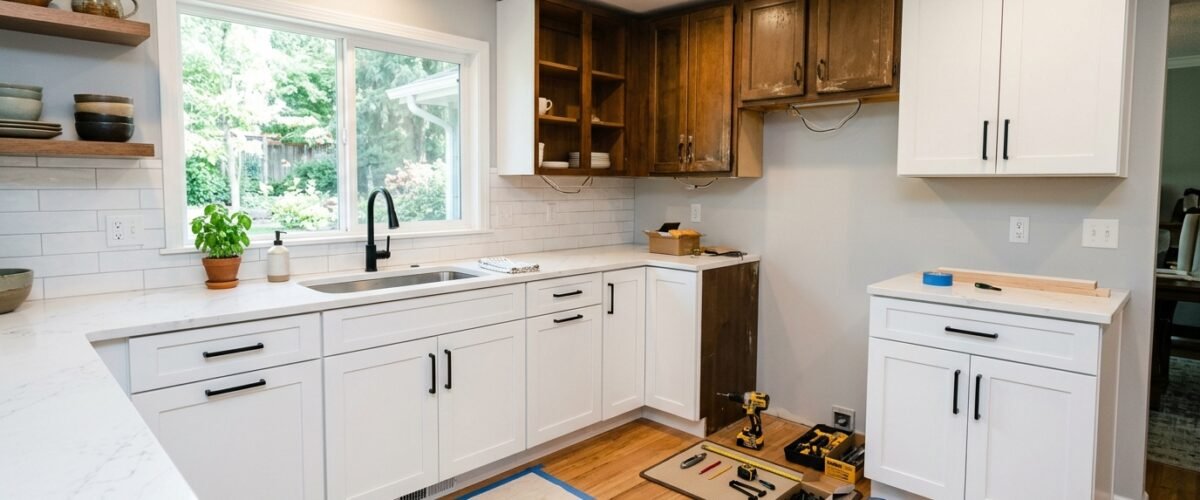
Professional cabinet refacing costs between $4,200 and $9,800 for a typical 20-linear-foot kitchen, averaging $150 to $350 per linear foot installed. When evaluating your cabinet refacing cost, the financial equation depends entirely on the structural condition of your existing cabinet boxes. If your cabinet carcasses are solid plywood, refacing can save you 30% to 50% compared to custom cabinetry.
However, if your base cabinets are built from aging particleboard or have suffered water damage under the sink, refacing is a financial trap. Because refacing merely covers old boxes with thin veneer skins, spending thousands of dollars on cosmetic doors over failing frames wastes your hard-earned remodeling budget. Here is the realistic cost breakdown, contractor inspection tests, and how to decide whether to reface or replace.
Price Range by Refacing Method and Materials
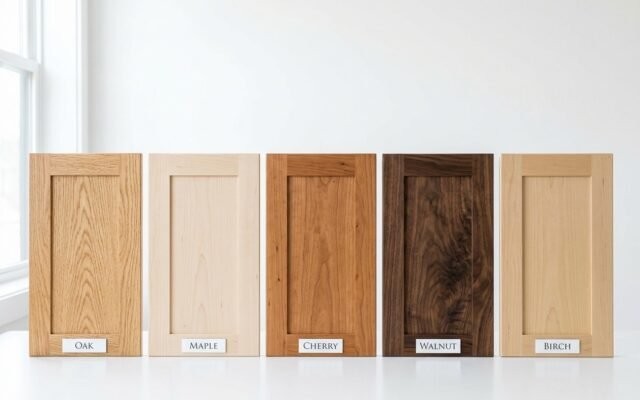
Refacing costs vary dramatically based on the material applied to your face frames and doors. For example, plastic laminate skins cost far less than matching real wood veneers finished with conversion varnish. Here is the typical pricing across common refacing tiers for a standard 20-linear-foot kitchen containing 15 doors and 6 drawer fronts.
| Refacing Tier & Material | Cost per Linear Foot | Average 20 LF Kitchen | Material Lifespan |
|---|---|---|---|
| DIY Refacing Kit (Laminate / Thermofoil) | $75 to $120 | $1,500 to $2,400 | 5 to 8 Years |
| Professional Rigid Thermofoil (RTF) | $140 to $210 | $2,800 to $4,200 | 8 to 12 Years |
| Natural Wood Veneer & Solid Hardwood Doors | $220 to $340 | $4,400 to $6,800 | 15 to 20 Years |
| Custom Factory-Finished Wood & Full Glides | $360 to $520 | $7,200 to $10,400 | 20+ Years |
| Big Box Turnkey Installation (Home Depot / Lowe’s) | $550 to $900 | $11,000 to $18,000 | 15 to 20 Years |
What Drives Cabinet Refacing Cost Higher
Every kitchen layout presents unique labor challenges that push refacing estimates toward the top end of the range. First, the total number of openings dictates hardware expenses. For instance, each cabinet door requires two new concealed soft-close hinges, such as Blum compact clip hinges, adding $12 to $18 per opening in hardware alone.
Second, drawer replacements significantly increase labor time. Most refacing contractors replace only the drawer front face. However, if your existing drawer boxes are stapled particleboard with worn nylon roller slides, you will need new solid wood dovetail boxes and undermount runners. Upgrading six drawer boxes adds $600 to $1,100 to the total contract.
Third, complex architectural trim requires skilled carpentry. When installers must wrap decorative end panels, crown molding, light rail trim, and toe kicks to match the new doors, material and labor costs jump quickly. For an in-depth look at overall cabinet costs, see our comprehensive guide on how much kitchen cabinets cost.
The Big Retailer Markup: Why Big Box Quotes Shock Homeowners
When estimating your overall cabinet refacing cost, big box store quotes often present unpleasant surprises. Many homeowners contact major home improvement stores expecting an affordable budget solution. Instead, they often receive shocking quotes ranging from $14,000 to $22,000 for a modest kitchen. This sticker shock happens because big box retailers do not perform refacing themselves.
Specifically, the retail chain contracts with regional sales corporations. Those sales companies then sub-contract the physical installation to local carpenters. Because every layer takes a substantial commission and management margin, the homeowner pays a 40% to 60% markup over local independent rates. Therefore, you should always request quotes from independent local cabinet refinishers rather than relying on third-party big box sales programs.
Additionally, you can compare retail estimates against standard pricing benchmarks in our review of Home Depot kitchen cabinet brands ranked.
When Refacing Base Cabinets Makes Financial Sense
Evaluating your cabinet refacing cost makes financial sense only when your existing cabinet boxes are structurally sound. Refacing is not universally good or bad. Instead, it is a specialized tool that delivers exceptional value under three specific conditions.
First, refacing excels when you love your current kitchen floor plan. If your sink, dishwasher, refrigerator, and range sit in ideal working positions, tearing out base cabinets makes little sense. Second, refacing is ideal if you recently installed expensive granite or quartz countertops. Removing base cabinets requires lifting and potentially cracking stone countertops. Refacing leaves your stone surfaces completely untouched.
Third, refacing works best when your existing cabinet carcasses are built from 1/2-inch or 3/4-inch structural plywood. Plywood boxes hold new face veneers and hinge screws securely for decades. If you have sound boxes, refacing provides the visual impact of brand-new custom cabinetry at half the mess and downtime.
When Refacing Is Throwing Money Away
Conversely, many kitchens are terrible candidates for refacing. If you try to reface cabinets that suffer from foundational defects, you will waste thousands of dollars on a short-lived cosmetic fix.
Never reface cabinets if you want to alter your kitchen layout. For example, if you want to add a central island, move the stove, or install a modern trash pull-out, refacing will not solve your functional problems. In addition, never reface low-grade 3/8-inch particleboard boxes from the 1980s. The resin glue in aged particleboard dries out, causing veneer adhesive to fail and peel away within two years.
Finally, never reface water-damaged carcasses. If a slow drain leak has swollen the bottom of your sink base, the cabinet has lost its structural integrity. You should replace the entire carcass rather than veneer over moldy, weakened wood. If you are weighing budget tiers, read our analysis on stock vs semi-custom vs custom kitchen cabinets.
The Job-Site Box Integrity and Plumb Test
Before inviting refacing salespeople into your home, perform these three physical contractor inspections to verify whether your base cabinets can accept new veneer.
1. The Sink Base Moisture Inspection
Clear everything out from under your kitchen sink and examine the bottom panel with a bright flashlight. Check around the pipe penetration holes. If the wood is swollen, flaking, discolored, or soft when pressed with a flathead screwdriver, the box is compromised. You must replace the sink base carcass.
2. The Face Frame Plumb and Square Check
Take a 2-foot carpenter level and place it vertically against your cabinet face frame stiles. Next, check the diagonal squareness of each door opening with a tape measure. If the frames are twisted or out of square by more than 1/4 inch, new overlay doors will bind and reveal uneven vertical gaps along the run.
3. The Side Panel Delamination Test
Examine the exposed end panels of your cabinet run. Press firmly along the bottom edge where base cabinets meet the kitchen floor. If the exterior panel feels spongy or reveals separated veneer plies, the box cannot support fresh contact adhesive.
Hidden Costs Contractors Forget to Quote
Initial refacing estimates frequently omit essential finishing details. To protect your renovation budget, verify whether your contractor includes these four common hidden charges in writing.
- Toe-kick replacement: Most base cabinet toe kicks are scuffed and stained from years of foot traffic. Skinning toe kicks with matching veneer usually adds $150 to $300.
- Undermount drawer conversions: Converting old side-mounted wooden drawers to modern soft-close slides costs $80 to $140 per drawer box in parts and labor.
- Finished end panels: Face frame veneer covers only the front stiles. Covering exposed side panels with matching 1/4-inch finished plywood skins costs $90 to $160 per end.
- Disposal fees: Removing and hauling away twenty old solid wood doors, drawer fronts, and hardware adds $150 to $300 in dump fees. For labor details, see our breakdown on cabinet installation labor costs.
Refacing vs New RTA Plywood Cabinets Compared
Before committing to an $8,000 refacing contract, you must compare it against modern Ready-to-Assemble (RTA) all-plywood cabinetry. Over the past decade, RTA manufacturing has evolved dramatically, offering factory-finished solid birch face frames and soft-close hardware at wholesale pricing.
| Comparison Factor | Cabinet Refacing Project | Brand-New RTA Plywood Cabinets |
|---|---|---|
| Average Kitchen Cost (20 LF) | $5,000 to $8,500 (Installed) | $4,200 to $7,200 (Materials + DIY Assembly) |
| Project Downtime | 3 to 5 days; kitchen remains usable | 2 to 3 weeks; requires full tear-out |
| Countertop Impact | Zero; existing countertops stay in place | Requires countertop removal and reinstallation |
| Interior Box Condition | Old interiors remain unchanged | 100% brand-new, clean birch interiors |
| Layout Flexibility | Locked into existing cabinet layout | Complete freedom to add drawers and islands |
| Structural Lifespan | Limited by remaining life of old boxes | 25+ years with 3/4-inch plywood boxes |
As the comparison proves, if your countertops are old laminate that you plan to replace anyway, buying new RTA cabinets delivers far greater long-term value than refacing old boxes. To explore assembled cabinet options, check our guide on assembled vs RTA kitchen cabinets.
How to Save on Cabinet Refacing Without Losing Quality
If refacing is the right choice for your kitchen, you can dramatically reduce your cabinet refacing cost using smart contractor strategies.
First, order custom-sized replacement doors online directly from architectural millwork suppliers rather than through retail middlemen. Measuring your existing doors takes one afternoon with a notepad and steel tape measure. By purchasing unfinished or factory-painted doors directly, you save up to 40% on material markup.
Second, clean and degrease your face frames thoroughly before applying veneer. Proper surface preparation with TSP (trisodium phosphate) ensures contact cement creates a permanent mechanical bond. Third, reuse your existing cabinet pulls if they match your new finish, or purchase hardware in bulk online. For more budget strategies, review our guide on how to save money on kitchen cabinets.
Frequently Asked Questions
Is it cheaper to reface cabinets or buy new ones?
Refacing is 30% to 50% cheaper than custom cabinets, costing $4,200 to $9,800. However, brand-new RTA plywood cabinets often cost the same or less than professional refacing if you can handle simple box assembly yourself.
How long does cabinet refacing actually last?
High-quality professional cabinet refacing using real wood veneer and factory-finished hardwood doors lasts 15 to 20 years. Cheap thermofoil vinyl wraps often peel near ovens and dishwashers within 5 to 7 years.
Can you reface cabinets yourself?
Yes, DIY refacing is possible with peel-and-stick veneer kits and pre-ordered doors. However, cutting veneer cleanly and trimming edge banding requires patience, sharp laminate trimmers, and careful measurement to avoid visible seams.
Does cabinet refacing include new drawers?
Standard refacing quotes include only new drawer front faces. Rebuilding the internal drawer boxes or adding soft-close undermount slides requires an additional fee of $80 to $140 per drawer box.
Can you reface particleboard cabinets?
You can reface particleboard cabinets, but contractors generally advise against it. Aged particleboard dries out and flakes easily, which prevents veneer adhesive from maintaining a strong, long-lasting bond.