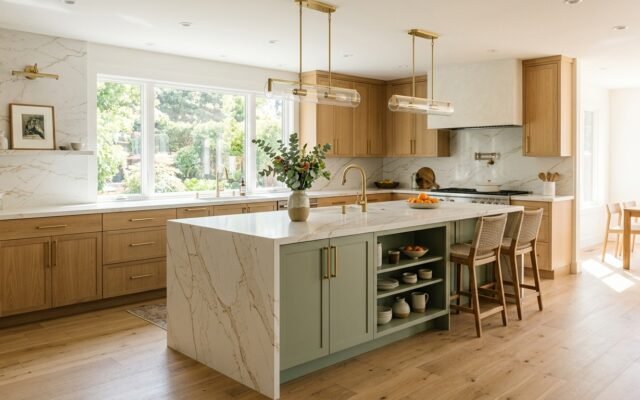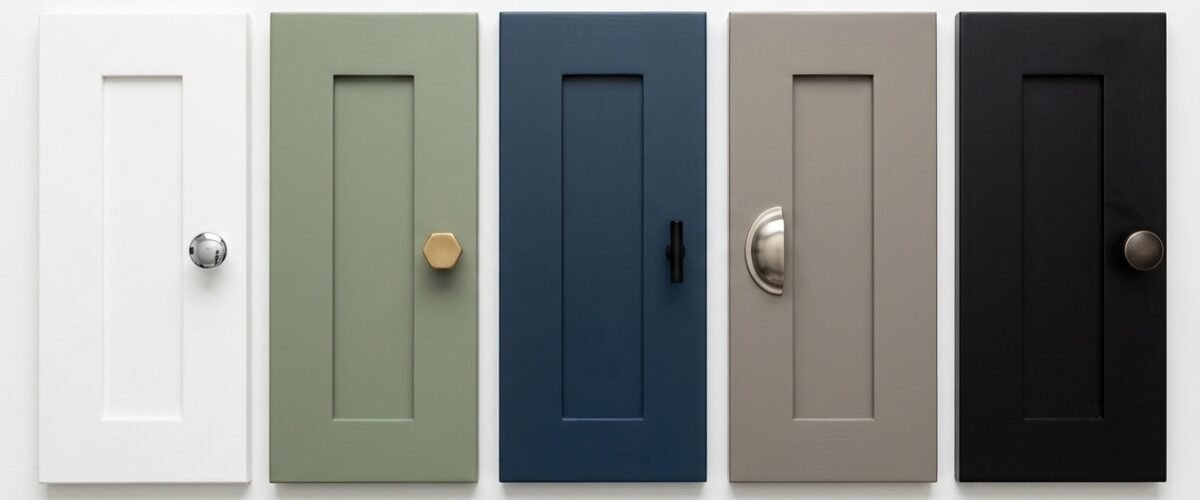
The top kitchen cabinet paint colors for 2026 are white, sage green, navy blue, warm gray, and deep green. You must consider specific factors when selecting kitchen cabinet paint colors to guarantee a professional result. Each color has a specific undertone, Light Reflectance Value, and ideal hardware pairing that determines whether it works in your kitchen space. The wrong undertone makes a color look cheap even with a premium paint formula.
First, you should test samples in your exact lighting conditions before deciding. Specifically, 2026 cabinet color trends emphasize timeless warmth over stark clinical shades. Therefore, you should avoid cool stark whites unless you have intense direct sunlight. Ultimately, selecting the perfect hue transforms your entire cooking space effortlessly. In addition, you can check current prices on Amazon for premium cabinet painting supplies to begin your renovation.
White Kitchen Cabinet Paint Colors
Bright White Shades
Bright white shades create a crisp foundation for any modern culinary space. For example, Benjamin Moore Chantilly Lace OC-65 features a Light Reflectance Value of 92.2. Sherwin-Williams Extra White SW 7006 sits slightly lower with an LRV of 86. Benjamin Moore White Dove OC-17 provides a softer alternative with an LRV of 85.9. You should use Chantilly Lace when you want zero noticeable undertones. Consequently, Extra White works brilliantly when you have abundant natural light pouring into the room.
White Dove naturally leans warmer, making it perfect for traditional designs. You must evaluate these shades carefully in your unique environment. In short, stark whites can feel cold without ample sunlight warming them. Therefore, you should always test the paint physically in your home.
Warm White and Cream Shades
Warm whites bring an inviting glow that harsh bright whites lack. Specifically, Sherwin-Williams Alabaster SW 7008 offers a beautiful LRV of 82 with subtle beige warmth. Benjamin Moore White Heron OC-57 provides a similarly creamy backdrop. Sherwin-Williams Pure White SW 7005 balances an LRV of 84 without leaning too yellow. Therefore, these tones pair beautifully with rich wood accents. In addition, warm whites complement organic textures perfectly.
Naturally, these colors excel in north facing rooms that lack warm sunlight. You will appreciate the cozy atmosphere these shades cultivate. Ultimately, you can read more about styling white kitchen cabinets to maximize their timeless appeal.
Best Hardware for White Cabinets
Your hardware selection completely changes how white cabinetry feels in a space. First, brass hardware warms up creamy whites beautifully. Second, brushed nickel pairs seamlessly with crisp bright whites. Finally, matte black provides striking contrast against any white cabinet shade. You should consistently match your faucet and lighting metals to your chosen knobs.
Also, you can browse options at Home Depot for excellent alkyd paints. Consequently, cohesive metallic accents elevate the entire room design effortlessly.
Gray Kitchen Cabinet Paint Colors
Light Gray Shades
Light gray shades offer a sophisticated alternative to standard white kitchens. For instance, Benjamin Moore Pale Oak OC-20 provides a stunning warm gray. Sherwin-Williams Agreeable Gray SW 7029 features a slightly darker LRV of 60. Benjamin Moore Gray Owl OC-52 balances an LRV of 65.7 with a subtle green cast. Because lighting affects gray drastically, you must test these specific paints. Pale Oak leans distinctly towards beige in warm lighting conditions.
Gray Owl can appear almost minty under certain cool LED bulbs. Therefore, you must verify the undertone before committing to a full paint job. In particular, light grays work wonderfully for airy layouts.
Medium and Dark Gray Shades
Darker gray options introduce necessary depth and drama to larger spaces. Specifically, Benjamin Moore Kendall Charcoal HC-166 boasts a rich LRV of 17. Sherwin-Williams Peppercorn SW 7674 goes even deeper with an LRV of 10. Sherwin-Williams Dovetail SW 7018 provides a balanced middle ground. You should reserve these deeper tones exclusively for lower cabinets in smaller kitchens. Otherwise, a dark gray upper cabinet can make a small room feel claustrophobic.
Furthermore, these shades hide scuffs and stains incredibly well. Learn more about balancing grey kitchen cabinets in your layout.
Best Hardware for Gray Cabinets
Hardware tones must complement the temperature of your gray paint. First, brushed nickel highlights the cool undertones in light gray cabinetry perfectly. Second, unlacquered brass adds essential warmth to medium gray finishes. Third, matte black hardware creates a seamless tonal look on dark charcoal doors. You should avoid bright chrome on warm grays, because the clash appears visually jarring.
Instead, you can find versatile hardware styles at local home improvement centers. Ultimately, the right metal finish grounds the entire aesthetic.
Green Kitchen Cabinet Paint Colors
Sage Green Shades
Sage green represents the fastest growing category in kitchen renovations today. For example, Benjamin Moore Saybrook Sage HC-114 features a beautiful LRV of 46.9. Sherwin-Williams Softened Green SW 6177 offers a similarly muted earthy tone. Farrow and Ball Mizzle 266 provides a stunning gray green that shifts constantly. Naturally, this earthy tone connects your indoor space to nature seamlessly. Because it feels both fresh and historic, sage green appeals to many different design preferences.
In fact, sage green serves as a fantastic neutral alternative to standard gray. Discover more inspiration for green kitchen cabinets to elevate your home. Moreover, this color family brings a soothing energy.
Olive and Hunter Green Shades
Deep green shades command attention and create an incredibly moody atmosphere. Specifically, Benjamin Moore Herb Garden 2029-30 delivers a robust, saturated olive tone. Farrow and Ball Calke Green No.80 provides a historic depth. Sherwin-Williams Foxhall Green SW 0012 brings intense drama to any space. You should apply these dark greens carefully in well lit areas. Nevertheless, they look phenomenal paired with warm natural wood tones.
In short, hunter green makes a powerful design statement. Because these shades absorb significant light, you need ample artificial lighting installed.
Best Hardware for Green Cabinets
Green cabinetry demands specific hardware finishes to look sophisticated. First, brass is the universal pairing that makes any green shade look incredibly custom. Second, matte black hardware modernizes traditional hunter green doors instantly. Third, brushed nickel keeps soft sage green looking clean and fresh. Because green acts as a complex color, you should bring hardware samples directly to the paint store.
As a result, you ensure perfect harmony between your metals and the paint undertone. Certainly, warm metals highlight the organic feeling of green cabinets best.
Navy and Blue Kitchen Cabinet Paint Colors
Classic Navy Shades
Navy blue remains the most timeless dark color choice for cabinetry. For instance, Benjamin Moore Hale Navy HC-154 offers an incredibly versatile LRV of 8.1. Sherwin-Williams Naval SW 6244 goes slightly deeper with a stark LRV of 4. Benjamin Moore Van Deusen Blue HC-156 provides a lighter touch. You can rely on Hale Navy to look exceptional in almost any lighting condition. Therefore, these deep blues serve as the perfect anchor for islands.
Find out more about styling navy kitchen cabinets successfully. Because navy operates essentially as a neutral, you can pair it with countless materials.
Softer Blue Shades
Lighter blues offer a cheerful atmosphere for smaller culinary spaces. Specifically, Benjamin Moore Newburyport Blue HC-155 provides a charming medium tone. Sherwin-Williams Indigo Batik SW 7602 gives a vibrant, denim inspired look. You should use these lighter applications when a true navy feels too heavy for the room. Because they reflect more light, these shades prevent a small kitchen from feeling boxed in.
Also, they pair beautifully with crisp white walls for a coastal aesthetic. In addition, mid tone blues feel delightfully unexpected and fresh.
Best Hardware for Navy and Blue Cabinets
Blue cabinetry pairs beautifully with almost every popular metal finish. First, brass hardware creates a stunning traditional nautical look against deep navy. Second, matte black pulls provide a bold modern edge to classic blue doors. Finally, brushed nickel offers a clean transitional look that feels safe and timeless. You should match your sink fixtures to your hardware for a cohesive design.
In addition, you can browse options at Wayfair for stylish cabinetry inspiration. Because blue supports various styles, your hardware dictates the final look.
Black and Charcoal Kitchen Cabinet Paint Colors
True Black Shades
True black cabinets deliver unparalleled elegance and striking contrast. For example, Benjamin Moore Black Beauty 2128-10 provides a remarkably deep and rich finish. Sherwin-Williams Tricorn Black SW 6258 represents a pure black with an LRV of 3. Farrow and Ball Railings No.31 offers a softer approach with a very subtle blue undertone. You must decide carefully between a matte and a semi gloss finish.
Because high gloss black shows every single fingerprint, many homeowners prefer a satin sheen. You can explore more about incorporating black kitchen cabinets into your remodel.
Soft Black and Off-Black Shades
Soft black shades bring warmth to a dark palette without feeling overly harsh. Specifically, Sherwin-Williams Iron Ore SW 7069 features a gorgeous LRV of 6. Benjamin Moore Wrought Iron 2124-10 provides a similar depth. Sherwin-Williams Urbane Bronze SW 7048 leans heavily into a warm brown gray territory. These colors read as near black but offer significantly more warmth.
Therefore, they work wonderfully in cozy, rustic, or industrial designs. In addition, off black shades transition beautifully between different lighting conditions throughout the day.
Best Hardware for Black Cabinets
Black cabinetry requires strategic hardware choices to prevent a gloomy aesthetic. First, unlacquered brass adds essential contrast and luxurious warmth to dark doors. Second, matte black hardware creates a very sleek, modern, tonal appearance. Third, brushed nickel introduces a cool, contemporary vibe. Because black absorbs so much light, bright metallic hardware acts like jewelry.
Ultimately, the right metal pulls make black cabinetry feel expensive rather than oppressive.
Two-Tone Kitchen Cabinet Color Combinations
White Upper and Navy Lower
A white upper and navy lower combination remains extremely popular. For instance, you can use Chantilly Lace on the uppers to maximize light reflection. Then, you can apply Hale Navy on the base cabinets to ground the room. You should use brass hardware throughout both sections. Because the dark color stays below eye level, the kitchen still feels incredibly spacious.
This classic pairing suits nearly every architectural style beautifully.
White Upper and Sage Lower
A white upper and sage lower pairing represents the top trending combination for 2026. Specifically, Alabaster or White Dove uppers provide a soft, creamy contrast. You can match these warm whites with Saybrook Sage on the bottom doors. Brass hardware complements this earthy, organic pairing perfectly. This combination brings nature indoors while maintaining a bright, airy feeling.
You can read more about two-tone kitchen cabinets to see this trend in action.
White Upper and Black Lower
High contrast combinations create an exceptionally striking and dramatic look. For example, Extra White uppers paired with Tricorn Black lowers look incredible. You can finish this look with either brass or polished chrome hardware for maximum impact. Because the contrast is so sharp, this style works best in modern or transitional homes. You should ensure you have adequate natural light.
Furthermore, explore excellent cabinet and countertop color combinations to complete your bold design.
Gray Upper and White Lower
Reversing the typical two tone layout offers a unique and subtle aesthetic. Specifically, you can use Gray Owl on the upper cabinets. Then, you can paint the lower cabinets in Chantilly Lace. Brushed nickel hardware completes this very soft, understated look beautifully. Because this approach is less common, it gives your kitchen a highly customized appearance.
Ultimately, it keeps the overall palette light while adding distinct visual interest.
How to Choose the Right Paint Color for Your Kitchen Cabinets
Check the LRV First
You must understand Light Reflectance Value before purchasing any paint. Specifically, LRV measures how much light a color reflects on a scale from zero to one hundred. First, small kitchens desperately need paint colors with an LRV above 50 to feel spacious. Second, large kitchens with abundant windows can easily handle a low LRV below 20. Because dark colors absorb light, they can make a cramped room feel tiny.
Therefore, you should check the manufacturer specifications for the LRV of every shade you consider.
Test the Undertone in Your Lighting
Lighting completely alters how a paint color appears in your home. First, you should purchase large sample boards. Second, you must test these samples under natural daylight. Ultimately, testing in your actual kitchen prevents costly mistakes.
Match the Hardware Finish Before Committing
Hardware finishes often clash unexpectedly with subtle paint undertones. Therefore, you must bring a physical hardware sample directly to the paint store. Specifically, an undertone clash between the paint and your knobs is the most common expensive mistake homeowners make. For instance, bright chrome can make a warm cream cabinet look dirty. Because replacing hardware or repainting is expensive, you should confirm this harmony early.
Read our guide on how to paint kitchen cabinets for detailed finishing steps.
Use Water-Based Alkyd Paint
Selecting the correct paint formula matters just as much as picking the perfect color. Specifically, you should always use a water based alkyd paint for cabinetry. Consequently, investing in a premium formula ensures your new color lasts.
Quick Reference Paint Code Table
Top Shades Summary
Review this handy table to compare the top cabinet colors discussed in this guide quickly.
| Color Category | Paint Name | Brand | LRV | Undertone | Best Hardware |
| Bright White | Chantilly Lace OC-65 | Benjamin Moore | 92.2 | Neutral | Brushed Nickel |
| Warm White | Alabaster SW 7008 | Sherwin-Williams | 82 | Warm Beige | Brass |
| Light Gray | Pale Oak OC-20 | Benjamin Moore | 68.6 | Warm Taupe | Brushed Nickel |
| Dark Gray | Peppercorn SW 7674 | Sherwin-Williams | 10 | Cool Gray | Matte Black |
| Sage Green | Saybrook Sage HC-114 | Benjamin Moore | 46.9 | Muted Gray Green | Brushed Nickel |
| Dark Green | Foxhall Green SW 0012 | Sherwin-Williams | N/A | Deep Olive | Brass |
| Navy Blue | Hale Navy HC-154 | Benjamin Moore | 8.1 | Classic Blue | Brass |
| True Black | Tricorn Black SW 6258 | Sherwin-Williams | 3 | Neutral Black | Brass |
Ultimately, these proven shades guarantee a beautiful and resilient finish for your upcoming kitchen renovation.
FAQ
What is the most popular kitchen cabinet color in 2026?
White remains the number one choice for homeowners. However, sage green is the fastest growing trend. In addition, navy blue serves as the most timeless dark option. Therefore, you have excellent choices.
What paint finish is best for kitchen cabinets?
You should always select a satin or semi gloss finish. Specifically, products like Benjamin Moore Advance provide superior durability. Thus, a slight sheen ensures easy cleaning and long lasting beauty.
What is LRV and why does it matter for cabinet colors?
LRV stands for light reflectance value, measured on a simple scale from zero to one hundred. First, high LRV colors reflect more light, making small kitchens feel significantly bigger and airier. Second, low LRV colors absorb light, which works perfectly in large, well lit spaces. Because lighting dictates how a color feels, understanding LRV helps you avoid making a room feel dark and cramped.
Can you use wall paint on kitchen cabinets?
No, you should never use standard latex wall paint. Specifically, wall paint dries far too soft for surfaces and chips quickly. Instead, you must use a dedicated paint. Ultimately, using the correct product saves you from repainting.