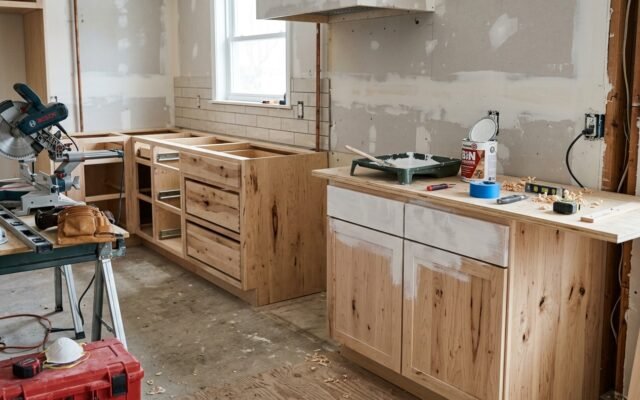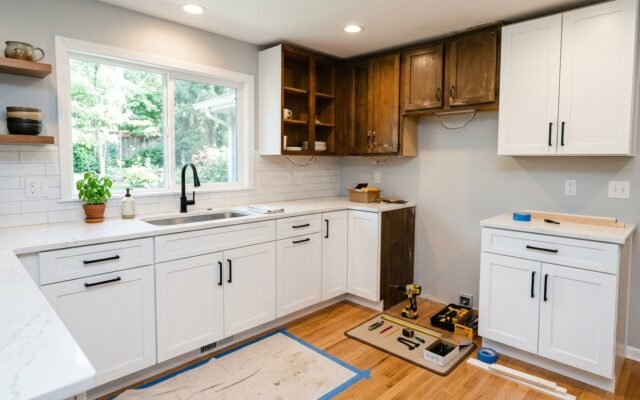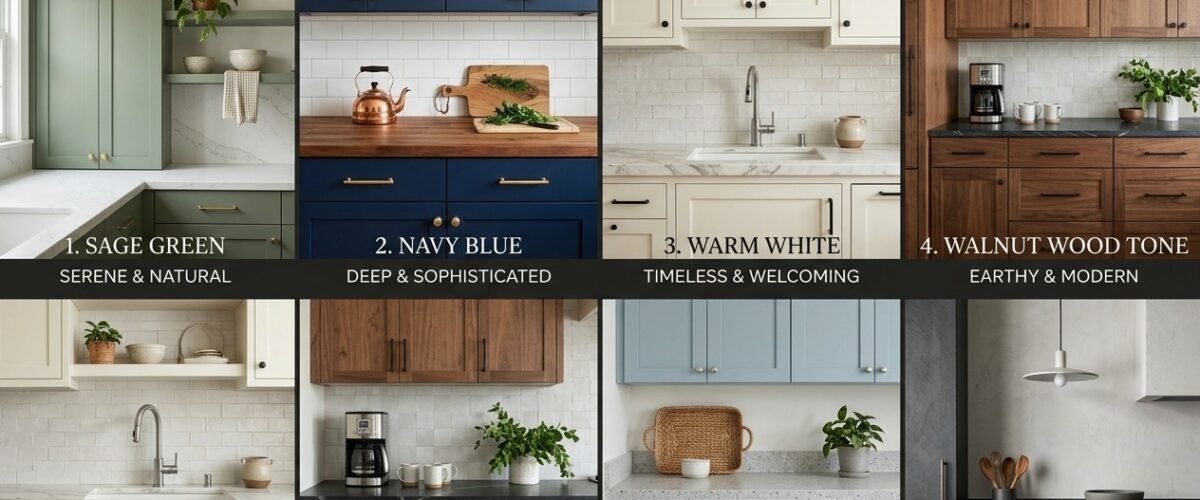
Kitchen cabinet color choices in 2026 are shifting decisively away from cold industrial grays and stark clinical whites toward organic warmth, rich earthy undertones, and natural wood grain textures. Homeowners are prioritizing colors that create visual depth, ground open-concept living spaces, and resist daily kitchen scuffs. Whether you are repainting existing wood boxes or ordering custom factory-finished base units, selecting the right hue and sheen level prevents costly finish regrets. Here are the top ten cabinet color trends dominating 2026 kitchen renovations, ranked by design longevity and real-world durability.
2026 Cabinet Color Specifications and Pairing Matrix
Choosing a cabinet color requires coordinating the exact paint code, sheen level, wood species, and countertop material. Here is the complete design specification matrix for the ten leading colors of 2026:
| Color Trend | Paint Brand & Code | Recommended Sheen | Best Countertop Pairing |
|---|---|---|---|
| Two-Tone Navy & White | Sherwin-Williams Naval (SW 6244) & Pure White (SW 7005) | Satin / Semi-Gloss | Calacatta Gold Quartz / Carrara Marble |
| Warm Greige | Benjamin Moore Revere Pewter (HC-172) / SW Agreeable Gray (SW 7029) | Satin | Warm White Quartzite / Honed Soapstone |
| Forest Sage Green | Sherwin-Williams Evergreen Fog (SW 9130) / BM October Mist (1495) | Satin | Honed Black Soapstone / Butcher Block |
| Unpainted Natural Wood | Clear Matte Polyurethane / Rubio Monocoat Pure | Ultra-Matte / Low-Sheen | Absolute Black Granite / Pure White Quartz |
| Charcoal & Graphite | Benjamin Moore Kendall Charcoal (HC-166) / SW Iron Ore (SW 7069) | Satin | Statuario Quartz / Light Ash Butcher Block |
| Terracotta Clay | Sherwin-Williams Cavern Clay (SW 6019) / BM Desert Tan (2153-50) | Eggshell / Satin | Cream Terrazzo / Warm Travertine |
| Off-White & Cream | Benjamin Moore Swiss Coffee (OC-45) / SW Alabaster (SW 7008) | Satin | Taj Mahal Quartzite / Warm Soapstone |
| Matte Black | Sherwin-Williams Tricorn Black (SW 6258) / BM Black Beauty (2128-10) | Ultra-Matte / Satin | Natural Walnut Block / Dramatic Veined Quartz |
| Dusty Slate Blue | Benjamin Moore Boothbay Gray (HC-165) / SW Debonair (SW 9139) | Satin | White Carrara Marble / Weathered Oak Top |
| Crisp Bright White | Sherwin-Williams Extra White (SW 7006) / BM Chantilly Lace (OC-65) | Semi-Gloss / Satin | Black Mist Granite / Dramatic Calacatta Quartz |
1. Two-Tone Navy Lower Cabinets with Bright White Uppers
Anchoring deep navy blue on base cabinets while keeping wall cabinets bright white expands vertical room height and prevents dark colors from overwhelming the kitchen. This two-tone configuration grounds the room by placing visual weight on the floor while bouncing natural sunlight off upper wall surfaces.
Navy blue lower cabinets hide scuffs, shoe marks, and cooking splashes around sink and stove prep zones far better than all-white cabinets, while white uppers reflect natural light across the kitchen. This pairing creates crisp maritime contrast that looks sophisticated in both coastal cottages and urban transitional homes.
Best Wood Species: Hard Maple or paint-grade Poplar with high-density fiberboard (MDF) center panels to prevent joint expansion from cracking paint films around stile-and-rail seams.
Best Finish: Satin or semi-gloss waterborne alkyd enamel for scrubbability on lower doors and low glare on uppers.
Best Countertop Pairing: Calacatta Gold quartz with warm gold and gray veining to tie in brushed brass hardware (explore door profiles in our Shaker vs flat-front slab design showdown).
2. Warm Greige: The Modern Neutral Replacement for Cold Gray
Warm greige blends beige warmth with gray neutrality to create a flexible, cozy background that pairs effortlessly with both warm brass and cool stainless steel hardware. As cold, sterile gray cabinetry exits the design landscape, greige has emerged as the premier neutral for high-end remodels.
Greige adapts to changing light throughout the day, showing warm earthy tones under morning sunlight and crisp architectural neutrality under evening LED lighting.
Best Wood Species: Hard Maple, Birch plywood, or moisture-resistant MDF for a smooth painted finish without open grain pores showing through (read our full wood species durability guide).
Best Finish: Satin enamel. A soft satin sheen disperses light evenly across flat panels, masking minor surface dust while remaining easy to wipe clean.
Best Countertop Pairing: Warm white quartzites (such as Taj Mahal) or honed dark soapstone to create a calm organic kitchen palette.
3. Forest Sage Green: Bringing Natural Organic Earthiness Indoors
Muted forest sage green serves as nature’s neutral, softening kitchen workspaces while complementing natural wood flooring, unlacquered brass, and botanical elements. This color connects indoor living spaces to the outdoor landscape, fostering a relaxed, grounded atmosphere.
Sage green features balanced gray undertones that prevent it from looking overly bright, providing rich color while functioning like a versatile neutral across large cabinet runs.
Best Wood Species: Paint-grade Poplar or Hard Maple for solid painted finishes, or White Oak with a translucent green cerused wash.
Best Finish: Satin enamel or low-lustre lacquer to avoid distracting plastic reflections.
Best Countertop Pairing: Honed black soapstone, thick end-grain butcher block prep islands, or warm cream quartz.
4. Unpainted Natural Wood: White Oak, Walnut, and Smoked Ash
Natural clear-sealed hardwood cabinets highlight authentic wood grain character, bringing organic warmth and tactile craftsmanship into high-end kitchens. Homeowners are increasingly celebrating raw timber figure, rift-sawn linear grain, and natural knots rather than covering wood with opaque paint.
Rift-cut white oak and American black walnut dominate modern kitchens. Clear protective finishes shield wood fibers from moisture while highlighting natural honey and chocolate grain patterns.
Best Wood Species: Rift-sawn White Oak, American Black Walnut, or Smoked European Ash for straight vertical grain lines that resist warping.
Best Finish: Ultra-matte conversion varnish or two-part hardwax oil (such as Rubio Monocoat Pure) that protects without building up an artificial plastic sheen.
Best Countertop Pairing: Absolute Black honed granite, matte soapstone, or pure white engineered quartz to create crisp boundaries around natural wood grain.
5. Charcoal and Graphite: Sophisticated Drama Without Stark Black
Deep charcoal and graphite gray provide dramatic depth and masculine sophistication while offering softer contrast against kitchen backsplashes than pure black. Charcoal absorbs light gently, creating a cozy, high-end culinary environment reminiscent of European bistros.
In kitchens with strong natural daylight, charcoal cabinets ground the room with rich visual weight while revealing subtle undertones under warm pendant lighting.
Best Wood Species: Hard Maple, high-density MDF, or wire-brushed Red Oak stained with an ebony-charcoal wash.
Best Finish: Satin or low-sheen enamel to conceal surface dust and fingerprints.
Best Countertop Pairing: Statuario marble, crisp white quartz with dramatic charcoal veining, or light ash butcher block tops.
6. Terracotta Clay: Sunbaked Warmth and Mediterranean Heritage
Terracotta and warm clay tones inject Mediterranean warmth into modern kitchens, pairing with artisanal zellige tile and unlacquered brass plumbing fixtures. This sunbaked hue evokes rustic European villas while remaining thoroughly modern when applied to minimalist flat slab doors.
Terracotta shades contain rich red and brown earth pigments that make large kitchens feel warm and welcoming, pairing naturally with plaster hoods and tiled backsplashes.
Best Wood Species: Paint-grade Poplar, Hard Maple, or Alder for smooth, uniform paint absorption without blotching.
Best Finish: Low-sheen eggshell or satin enamel for a velvet-matte earthen texture.
Best Countertop Pairing: Cream terrazzo with terracotta aggregate flecks, warm honed limestone, or creamy white quartz.
7. Off-White, Linen, and Warm Cream: Timeless Comfort
Cream and off-white cabinets deliver the bright, light-reflective benefits of white cabinetry without the harsh, clinical glare of pure hospital white. Warm linen and creamy tones soften kitchen perimeter walls, creating an inviting space that feels lived-in and comfortable.
Off-white paints with warm undertones harmonize with hardwood floors and natural stone, reflecting daylight into galley layouts without reading sterile on overcast days.
Best Wood Species: Hard Maple or tight-grained Birch with MDF center panels to prevent yellow tannin bleed-through along joints.
Best Finish: Satin waterborne alkyd enamel for a durable, washable surface around knobs and handles.
Best Countertop Pairing: Taj Mahal quartzite, warm soapstone, or butcher block island tops.
8. Matte Black: Sleek Architectural Modernism
Matte black cabinetry creates a striking focal point in modern and industrial kitchens, framing cooking zones with high-contrast architectural boundaries. When paired with warm ambient lighting and natural wood accents, black cabinetry feels grounded, bold, and luxurious.
To keep matte black cabinets looking pristine, select coatings with anti-fingerprint technology that diffuse light and resist skin oils around high-touch handle zones.
Best Wood Species: High-density MDF or wire-brushed solid Oak finished in a black cerused stain.
Best Finish: Ultra-matte or low-sheen satin enamel with high solids urethane for scratch resistance.
Best Countertop Pairing: Warm natural walnut butcher block, waterfall quartz islands with black veining, or dark terrazzo.
9. Dusty Slate Blue: Serene Coastal and Heritage Character
Dusty slate blue balances cool gray undertones with calm coastal blue, adding subtle color that functions like a sophisticated neutral. This historic shade draws inspiration from colonial and coastal architecture, providing calm visual interest without overwhelming the room.
Slate blue works especially well on islands or base runs with white wall cabinets, pairing smoothly with polished chrome, brushed nickel, or brass hardware.
Best Wood Species: Hard Maple, Poplar, or Birch plywood boxes with solid wood face frames.
Best Finish: Satin cabinet enamel for moisture resistance around sink splash zones.
Best Countertop Pairing: White Carrara marble, crisp engineered quartz with fine gray veining, or weathered gray oak tops.
10. Crisp Bright White: The High-Contrast Classic That Never Fades
Crisp bright white cabinetry maximizes natural light reflection and remains the most versatile backdrop for changing tile, paint, and countertop accents over decades. For compact kitchens or north-facing rooms with limited sunlight, bright white cabinets brighten the entire space instantly.
Bright white delivers high contrast against dark counters and bold tile backsplashes, remaining a top-selling cabinet choice due to its unmatched styling flexibility.
Best Wood Species: Hard Maple or moisture-resistant MDF to eliminate wood grain telegraphing beneath white paint.
Best Finish: Semi-gloss or satin enamel for maximum washability and stain removal.
Best Countertop Pairing: Black Mist granite, dramatic Calacatta quartz slabs, or rich dark walnut butcher block prep islands.
How to Choose the Right Paint Sheen: Matte vs. Satin vs. Semi-Gloss
Selecting the correct sheen level is just as important as choosing the color itself. Sheen determines how easy your cabinets are to clean, how much light they reflect, and how visible fingerprints and surface flaws appear on door panels.
- Satin (25% to 35% Gloss): The Contractor Gold Standard. Satin strikes the optimal balance between durability and aesthetics. It provides enough resin hardness to wipe clean with soapy water while keeping surface glare low. Use satin for 80% of residential kitchen cabinet projects.
- Semi-Gloss (45% to 60% Gloss): Maximum Scrubbability. Semi-gloss creates a hard, slick finish that resists grease and heavy moisture. It works best for high-traffic rental properties, households with active pets, or around heavy-use cooking ranges. However, its higher reflectivity highlights brush marks and minor wood imperfections.
- Ultra-Matte / Eggshell (5% to 15% Gloss): Modern Low-Glare Aesthetic. Matte finishes deliver a velvety European look that diffuses light beautifully. However, standard matte wall paints must never be used on cabinets because they absorb cooking oils and burnish when scrubbed. Only use specialized industrial conversion varnishes or urethane cabinet enamels formulated specifically for matte cabinet durability.
Frequently Asked Questions
What is the most popular kitchen cabinet color for 2026?
Warm organic tones like forest sage green, warm greige, and natural unpainted white oak lead 2026 kitchen renovations. Homeowners are replacing sterile cool grays with earthy palettes that create visual warmth and connect interior living spaces with natural materials.
Are white kitchen cabinets going out of style?
Stark clinical white is declining in favor of warm creamy whites, soft off-whites, and two-tone combinations (such as navy lower cabinets with white uppers). However, white cabinetry remains a timeless classic that retains strong resale value across all price brackets.
What is the best paint sheen for kitchen cabinets?
Satin enamel is the best all-around finish for kitchen cabinets. It delivers a hard, scrubbable surface that resists cooking grease and moisture while keeping reflective glare low enough to conceal minor surface imperfections and dust.
Should kitchen base cabinets be darker than upper cabinets?
Yes. Installing darker base cabinets grounds the room visually, conceals floor-level scuffs and food splatters, and makes ceilings feel higher by keeping upper wall spaces light and airy.