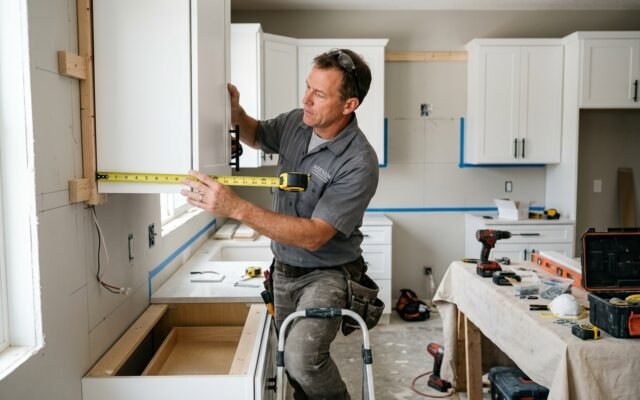
Pre assembled cabinets arrive square, glued, and fully clamped from the manufacturer. This setup eliminates on-site assembly headaches while saving homeowners up to 40 hours of tedious DIY labor. Factory hydraulic presses square each carcass under thousands of pounds of pressure. Because of this mechanical clamping, factory built units deliver superior structural rigidity compared to flat-pack alternatives. Freight shipping costs certainly run higher for assembled cabinetry. However, dramatic jobsite time savings offset that expense completely.
What Are Pre Assembled Cabinets and How Do They Compare to RTA
Pre assembled cabinets are fully built casework units delivered ready to fasten directly to your wall studs. In contrast, ready to assemble (RTA) units ship in flat boxes. Homeowners must assemble them manually using cam-locks, wood glue, and pocket screws. For a deeper breakdown of cost differences, read our guide on RTA vs pre-assembled kitchen base cabinets. This comparison clarifies which approach fits your remodel schedule best.
Choosing between these two approaches depends heavily on your available renovation time, budget, and tool confidence. While flat-pack cabinets offer cheaper shipping, the assembly phase demands dedicated floor space, specialized clamps, and significant manual effort. On the other hand, pre assembled units arrive ready for immediate installation, allowing homeowners to complete kitchen remodels substantially faster.
Factory Clamping and Structural Rigidity
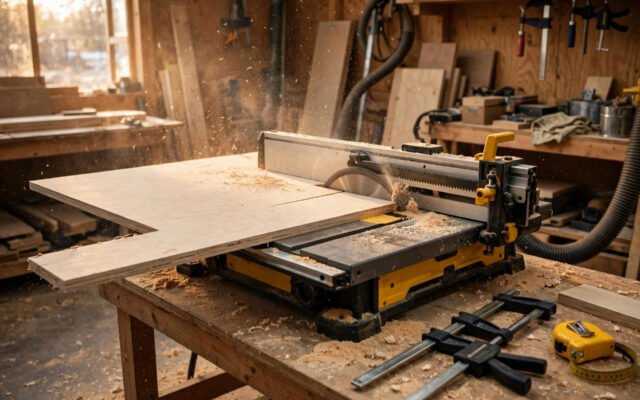
During factory production, commercial pneumatic clamps hold cabinet carcasses square. Meanwhile, industrial polyvinyl acetate wood glue cures inside precision dado joints. Furthermore, robotic fastening systems drive coated fasteners at exact angles along face frames and back panels. As a result, the cabinet box maintains a rigid 90-degree square profile that withstands heavy stone countertops without wracking.
On the other hand, assembling flat-pack boxes on an uneven subfloor often introduces minor racking and twisting. Even small misalignments cause drawer faces to rub and cabinet doors to bind over time. Therefore, factory assembly guarantees tighter structural tolerances right out of the shipping crate, ensuring long-term durability for family kitchens.
Time and Labor Tradeoffs for Homeowners
Time represents the single biggest operational difference between these two cabinet options. For instance, building an entire 15-cabinet kitchen from flat boxes usually consumes 25 to 40 hours of manual assembly. If you hire a professional installer, assembly labor typically costs $35 to $65 per box. Consequently, flat-pack assembly quickly adds hundreds of dollars to your invoice.
Ordering pre assembled boxes eliminates those assembly labor charges entirely from your contractor estimate. In addition, you reduce overall kitchen downtime because your space remains ready for immediate cabinet setting and leveling. However, pre assembled boxes occupy significant truck volume, which naturally increases freight delivery charges compared to compact flat pallets.
4 Quality Tiers of Pre Assembled Kitchen Cabinets
Understanding the four primary quality tiers helps you choose the right construction method for your remodeling budget. Specifically, manufacturers distinguish tiers through core box materials, drawer box joinery, and slide hardware specifications. To learn more about core box materials, check out our detailed guide on kitchen cabinet boxes.
Each tier serves a distinct purpose in the residential remodeling market, ranging from budget rental flips to high-end architectural renovations. While lower tiers prioritize upfront affordability, higher tiers emphasize structural longevity, premium finishes, and silent hardware operation. Carefully evaluating these technical specifications ensures you do not overpay for unnecessary upgrades or settle for fragile materials.
Builder Grade Stock Cabinets (Particleboard boxes, basic slides)
First, builder grade stock cabinets represent the entry-level price point for fast renovations and rental properties. These units feature 1/2-inch or 5/8-inch engineered furniture board carcasses. In addition, manufacturers cover the exterior with printed melamine or foil veneers. Face frames typically consist of solid pine, poplar, or medium-density fiberboard.
Drawer boxes in this entry category generally use staple-and-butt joinery or folded vinyl-wrapped particleboard cores. Furthermore, manufacturers install side-mounted 3/4-extension epoxy roller slides rated for 50 pounds. Because particleboard absorbs moisture rapidly, these cabinets require careful caulk sealing around sink bases to prevent swelling and water damage.
Semi-Custom Plywood Cabinets (Dovetail drawers, soft-close hardware)
Second, semi-custom plywood cabinets offer the most popular price-to-performance ratio for residential homeowners. These cabinets utilize 1/2-inch or 3/4-inch multi-ply hardwood plywood for side panels, tops, and bottoms. Reviewing our guide on MDF vs plywood cabinets highlights key moisture resistance differences.
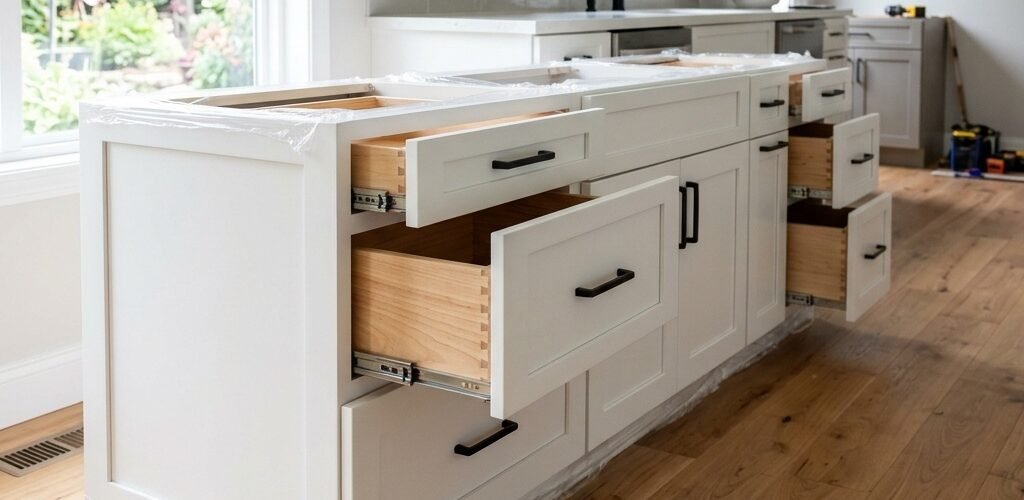
In addition, semi-custom lines feature 5/8-inch solid birch or maple drawer boxes constructed with English dovetail joinery. Under-mount soft-close drawer glides rated for 75 to 100 pounds come standard on most semi-custom lines. Consequently, the drawers close smoothly without slamming, which extends cabinet lifespan and protects delicate glassware.
Premium Custom Assembled Lines (Solid wood face frames, Blumotion runners)
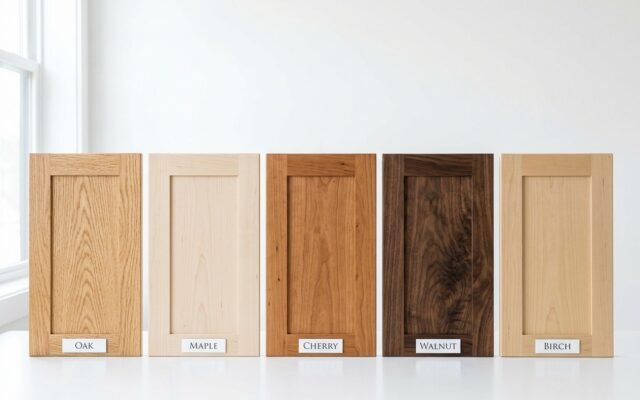
Third, premium custom assembled lines cater to homeowners who demand furniture-grade cabinetry and tailored architectural modifications. Manufacturers build these carcasses with 3/4-inch furniture-grade birch plywood. In fact, face frames feature select solid hardwoods like maple, cherry, or white oak. Every joint receives glued mortise-and-tenon or heavy dowel connections for lifetime durability.
Moreover, premium lines feature Blumotion or Grass under-mount drawer runners with six-way spatial adjustment. These heavy-duty runners handle dynamic loads up to 110 pounds effortlessly while maintaining buttery smooth glide action. Meanwhile, exterior surfaces receive multi-step catalyzed conversion varnish finishes that resist household chemicals, cooking grease, and moisture damage.
Commercial All-Plywood Specifications
Finally, commercial all-plywood specifications address high-traffic environments, multifamily developments, and accessible living designs. These robust boxes meet or exceed Kitchen Cabinet Manufacturers Association testing standards for load capacity and humidity resistance. Specifically, manufacturers use 3/4-inch exterior-grade plywood for both side panels and full-height back stretchers.
Furthermore, commercial specifications include heavy-duty metal corner braces, heavy shelf support clips, and solid wood hanging rails. Because institutional kitchens face rigorous daily use, these specifications deliver maximum impact resistance against accidental kicks and heavy cookware. Many commercial manufacturers back these heavy-duty product lines with comprehensive 25-year structural warranties.
| Cabinet Tier | Box Construction | Drawer Joinery | Hardware Type | Price per Linear Foot | Typical Warranty |
|---|---|---|---|---|---|
| Builder Grade Stock | 1/2-inch particleboard with melamine | Stapled butt joints or vinyl wrap | Side-mount epoxy roller slides (50 lb) | $120 to $220 | 1 to 2 Years |
| Semi-Custom Plywood | 1/2-inch to 3/4-inch hardwood plywood | 5/8-inch solid birch dovetail | Under-mount soft-close glides (75 lb) | $250 to $480 | 5 to 10 Years |
| Premium Custom Assembled | 3/4-inch furniture-grade birch plywood | 5/8-inch solid maple dovetail | Blumotion six-way adjustable runners | $500 to $950 | Limited Lifetime |
| Commercial All-Plywood | 3/4-inch exterior-grade plywood throughout | Heavy-duty dovetailed hardwood | Heavy commercial ball-bearing soft-close | $320 to $600 | 25 Years to Lifetime |
Where to Buy Pre Assembled Cabinets Online and in Big-Box Stores
Next, sourcing pre assembled cabinetry requires balancing shipping logistics, design support, and product lead times. Homeowners can choose between direct internet suppliers, national home improvement warehouses, and local trade supply houses. Each retail channel offers distinct advantages depending on whether you value speed, low prices, or hands-on material evaluation.
Online Factory-Direct Retailers
Online factory-direct distributors have revolutionized cabinet purchasing over the past decade. Because these retailers operate without costly physical showroom overhead, they pass substantial savings along to consumers. Most established online suppliers provide complimentary 3D photorealistic design services. Furthermore, they ship free sample door swatches directly to your home.
However, buying online means you must double-check all field dimensions yourself before placing your final order. Lead times for pre assembled online orders generally range between two and four weeks depending on stock availability. You can also explore options like kitchen storage and pantry cabinets on Wayfair. These pantry tall units and roll-out organizers supplement your layout nicely.
Home Depot and Lowe’s In-Stock Lines
Big-box home improvement retailers provide convenient access to fully assembled cabinetry for quick-turnaround projects. For instance, you can easily browse options at Home Depot. This showroom visit lets you inspect assembled shaker and traditional base cabinets in person. In addition, physical displays allow you to test drawer slide action, finish quality, and face frame sturdiness firsthand.
In addition, in-stock big-box cabinets eliminate multi-week shipping delays for standard sizes. Homeowners can grab 30-inch sink bases or lazy susans immediately. Consequently, property flippers and emergency remodelers rely heavily on retail warehouse stock for fast installations.
Local Lumberyards and Independent Distributors
Alternatively, local lumberyards and independent kitchen design showrooms offer personalized customer service and contractor-level pricing. These local distributors maintain direct partnerships with regional cabinet manufacturers such as Merillat, KraftMaid, or Wellborn. Consequently, their experienced design staff can catch architectural layout conflicts that automated online tools might overlook.
Furthermore, independent dealers frequently handle jobsite delivery using their own company box trucks and dedicated drivers. This personalized delivery service dramatically reduces the likelihood of transit damage compared to third-party freight carriers. While their initial quote may appear slightly higher than online discounters, their hands-on support adds tremendous value for complex installations.
Delivery, Unloading, and Jobsite Staging Checklist
Receiving pre assembled cabinetry is a major logistical event that requires careful preparation and advance planning. Fully assembled boxes arrive at their complete spatial volume. Therefore, a standard 15-cabinet kitchen requires dozens of cubic feet of clean staging space. For proper cabinet installation, you can check current prices on Amazon for heavy-duty cabinet jacks, laser levels, and installation clamps.
Inspecting Freight Packaging for Concealed Damage
Do not sign the freight bill of lading immediately. First, examine all exterior carton surfaces for crushed corners, punctures, or torn plastic wrap. If you notice carton distress, photograph the damaged box immediately. Then, note the exact issue clearly on the driver delivery receipt.
Second, unbox each cabinet within 48 hours of delivery to check for concealed interior damage. In particular, inspect face frame joints, drawer glides, and cabinet door alignments. If a box panel cracked during transit, file a prompt freight claim. Consequently, the manufacturer ships a replacement unit without delaying your remodel schedule.
Acclimating Finished Wood Cabinets to Indoor Humidity
Before driving a single screw through your cabinet hanging rails, you must acclimate the cabinetry inside your conditioned home. Solid wood face frames and door panels expand and contract in response to ambient relative humidity. Therefore, store your cabinets inside the heated or air-conditioned living space for at least 48 to 72 hours before installation.
During this acclimation period, maintain indoor temperatures between 65 and 75 degrees Fahrenheit. Also, keep indoor relative humidity between 35 and 50 percent. Never store finished cabinetry inside an unheated garage or damp basement. Otherwise, moisture absorption can warp doors and cause hairline paint cracks.
Common Mistakes When Buying Assembled Cabinets
Purchasing pre assembled cabinetry requires strict attention to logistical details that rarely affect flat-pack orders. Avoiding these common planning errors will protect your budget and ensure an efficient installation process. Taking time to review your architectural layout with an experienced installer prevents expensive rework down the road.
Ordering Without Verifying Door Swing Clearances
First, failing to verify door swing clearances and hardware protrusion creates major functional bottlenecks in a new kitchen. For example, a deep base cabinet installed beside a freestanding refrigerator can block drawers. Thick appliance doors often restrict full drawer extension. In addition, decorative knobs and pulls add an extra inch of projection. In blind corner layouts, protruding handles can easily collide with intersecting doors.
To prevent this headache, always incorporate 2-inch to 3-inch filler strips between perpendicular cabinet runs and adjacent appliances. Furthermore, verify that your dishwasher door and corner lazy susan have sufficient clearance to open simultaneously. Taking time to map out these swing radiuses on your subfloor prevents expensive modifications later.
Underestimating Freight Shipping and Curbside Delivery Obstacles
Second, many homeowners overlook the practical realities of freight shipping and standard curbside delivery policies. Freight carriers transport assembled cabinetry on large 53-foot semi-trucks. However, these massive vehicles cannot navigate narrow residential cul-de-sacs or low tree canopies. Consequently, the trucking dispatcher may require you to meet the transport truck at an accessible staging location.
In addition, standard curbside delivery only includes lowering pallets to your driveway edge. The freight driver uses a hydraulic liftgate and leaves the pallets outside. Therefore, arrange for at least two able-bodied helpers on delivery day to move heavy boxes indoors immediately.
Forgetting to Order Matching Touch-Up Kits and Scribe Molding
Third, forgetting to order matching finish accessories is a frustrating oversight that halts kitchen projects during the final trim stage. Even the most careful installers inevitably create tiny scuffs or nail holes while fastening face frames and cutting crown molding. Consequently, having a factory-matched touch-up paint pen, wax fill stick, and clear topcoat on hand is absolutely essential.
Similarly, older homes rarely feature plumb walls or level floors. Scribe molding, base shoe molding, and decorative skin panels conceal these uneven wall gaps and create a polished, built-in appearance. Always order an extra 10 to 15 percent of matching trim and molding to account for miter saw cut waste.
Frequently Asked Questions About Pre Assembled Cabinets
Are pre assembled cabinets stronger than RTA cabinets?
Yes, factory assembled cabinets are generally stronger. Industrial pneumatic clamps square the boxes under controlled pressure while polyvinyl acetate glue cures completely. In addition, automated machinery fastens joints with consistent torque, reducing structural racking when supporting heavy quartz or granite countertops.
How much do pre assembled kitchen cabinets cost per linear foot?
Pre assembled cabinets typically cost between $150 and $450 per linear foot for standard stock and semi-custom lines. In contrast, high-end custom cabinetry features all-plywood construction and premium Blumotion hardware. These bespoke lines range from $500 to $950 per linear foot.
How long do pre assembled cabinets take to ship?
Standard in-stock pre assembled cabinets usually ship within 5 to 10 business days from regional distribution centers. However, semi-custom orders with painted finishes require 3 to 6 weeks. Factory build time and freight transit account for this extra lead time.
Can one person install pre assembled kitchen cabinets alone?
An experienced carpenter can install base cabinets alone using shims and jacks. However, hanging upper wall cabinets safely requires two people. Assembled boxes are bulky and heavy. Therefore, having a helper support the cabinet weight prevents personal injury and protects finished drywall.
Do pre assembled cabinets come with doors and hardware attached?
Most pre assembled cabinets arrive with cabinet doors and drawer fronts fully hung and adjusted at the factory. However, decorative knobs and pulls are intentionally omitted. Homeowners choose their preferred hardware style and drill mounting holes on site.