Pulls on drawers and knobs on doors is the standard contractor rule. Kitchen cabinet knobs vs pulls is a common debate during remodeling, but both options work well. The choice depends on your door style, drawer size, and how your family uses the kitchen space. Ultimately, understanding the mechanics of each hardware type ensures you make a smart investment for your home. Therefore, we will explore the pros, cons, and best practices for selecting your kitchen hardware.
Pulls vs Knobs on Drawers
First, pulls win for drawers without question. You open drawers frequently throughout the day, and they hold heavy items like pots, pans, and stacks of plates. Pulls give you a much easier grip. Naturally, your entire hand can wrap around the hardware to pull the weight smoothly. Knobs require pinching with just your fingers. Consequently, heavy drawers become frustrating to open with simple knobs.
Second, pulls offer better ergonomics for daily kitchen use. You can easily grab a pull from different angles while moving quickly through your workspace. For instance, standard 3 inch center to center or 96mm spacing pulls fit most hands comfortably. Specifically, check current prices on Amazon for popular stainless steel options that offer excellent grip clearance.
Third, wide drawers demand pulls for proper mechanical function. Drawers over 24 inches wide often need two knobs if you choose that route. Alternatively, a single long pull in the center works perfectly. In fact, large single pulls distribute the force evenly across the drawer front. As a result, the drawer slides operate smoothly without binding on the tracks.
Furthermore, pulls prevent damage to your cabinet finish over time. Because your hand grips the metal handle entirely, your fingernails rarely scratch the wood behind it. Obviously, this protects expensive painted finishes from daily wear and tear. Therefore, pulls save you money on touch up paint and maintenance in the long run.
Finally, pulls create a modern, streamlined look on large drawer banks. When you stack three deep drawers on top of each other, horizontal pulls emphasize the width of the cabinets. In other words, they make your kitchen feel larger and more expansive. Certainly, this visual trick helps small kitchens feel less cramped and more luxurious.
However, pulls do cost slightly more than knobs. You must factor this into your overall remodeling budget early on. Because pulls require more metal to manufacture, their base price naturally runs higher. Nevertheless, the improved functionality easily justifies the minor price increase for your primary prep zones.
Similarly, pulls require more precision during the initial installation phase. You must drill two perfectly level holes for each handle. Consequently, a slight miscalculation leaves the hardware sitting crooked on the drawer face. Thus, using a proper drilling jig becomes absolutely essential for a professional looking result.
Pulls vs Knobs on Doors
First, knobs work exceptionally well on cabinet doors. Doors swing open on hinges rather than sliding out on heavy metal tracks. Therefore, they require much less force to operate than a heavy drawer full of dishes. Knobs provide just enough grip to swing a door wide open easily.
Second, knobs require only one single hole for installation. This makes them a significantly cheaper and faster install compared to pulls. Moreover, a single hole means less risk of drilling mistakes ruining a costly door front. You can certainly browse a wide variety of options at Wayfair to match your style perfectly.
Third, knobs work beautifully with both inset and full overlay door styles. They sit cleanly in the corner of the door frame without looking overly bulky. Ultimately, a simple round or square knob keeps the visual focus on the fine cabinetry rather than the metal hardware.
In addition, replacing knobs in the future takes only minutes. Because you only have one screw hole to worry about, you never have to match center to center spacing again. Consequently, swapping out knobs provides a fast and cheap way to update your kitchen style years down the road.
Particularly, knobs excel on upper cabinets where pulls might look too heavy. A simple round knob disappears visually against the wood grain. As a result, your upper cabinets look taller and less cluttered. Therefore, many designers prefer knobs exclusively for all wall cabinets above the counters.
On the other hand, knobs can sometimes catch on loose clothing if placed poorly. If you install a prominent knob on a lower base cabinet, your pocket might snag as you walk past. Nevertheless, careful placement usually prevents this minor annoyance entirely.
Also, round knobs sometimes spin loose over time. Because they attach with a single screw, daily turning forces can break the friction grip. However, adding a small drop of thread locking fluid to the screw solves this problem permanently. Thus, your knobs remain tight and perfectly aligned for decades.
Hole Spacing and Drilling
First, you must understand center to center measurement for pulls. This is the exact distance between the two screw holes on the back of the handle. The most common traditional standard is 3 inch or 76mm spacing. However, modern kitchens often use 96mm or 128mm spacing for a sleeker look.
Second, drawer size directly dictates your ideal pull spacing. Standard 15 inch to 24 inch drawers handle 3 inch or 96mm pulls perfectly. For drawers wider than 24 inches, you should step up to 128mm or larger. Thus, the hardware scale matches the drawer scale appropriately.
Third, always use a specialized drilling template for installation. A simple plastic template costs about 10 dollars and saves you from ruining expensive cabinet fronts. Simply align the template with the corner and drill your holes precisely. Obviously, measuring twice and drilling once remains the golden rule of hardware installation.
Specifically, contractors use specialized cabinet hardware jigs for large jobs. These metal jigs clamp directly onto the door or drawer front. As a result, they guarantee perfect hole placement on every single cabinet in the room. Therefore, investing in a good jig saves hours of frustrating layout work.
In addition, you must use the correct drill bit size for your hardware screws. Standard cabinet screws require a 3/16 inch drill bit for clearance. Consequently, this size allows the screw to pass cleanly through the wood without binding. Then, the screw head tightens firmly against the back of the cabinet face.
Furthermore, you must drill straight through the wood to avoid splintering the back side. Holding a scrap block of wood tightly against the back of the door prevents nasty blowouts. Naturally, this simple contractor trick ensures a perfectly clean hole on both sides of the cabinet.
Finally, double check your measurements before drilling the very first hole. Hold the actual hardware up to the cabinet face to verify the proportions look right. Ultimately, visual confirmation prevents layout mistakes that math alone might miss. After all, you cannot easily un-drill a hole in custom woodwork.
Finish That Survives the Kitchen
First, consider brushed nickel for ultimate daily durability. It hides fingerprints, water spots, and daily cooking grease better than almost any other finish. Consequently, it remains the most popular choice for busy family kitchens year after year.
Second, matte black offers a striking modern contrast for modern designs. It pairs beautifully with white shaker cabinets or natural wood tones alike. However, cheap matte black finishes can chip off over time. Therefore, always invest in solid metal hardware rather than painted plastic alternatives.
Third, satin brass brings warmth without the high maintenance of traditional polished brass. It resists fingerprints reasonably well while adding a touch of elegant luxury. You can easily find excellent brass options at Home Depot for your next remodel.
In fact, unlacquered brass has become extremely popular in high end custom kitchens. This living finish darkens and patinas naturally over time as you touch it. As a result, the hardware develops a unique, vintage character that looks incredibly authentic. However, it requires occasional polishing if you want to restore the original bright shine.
Alternatively, polished chrome offers a brilliant, mirror like shine for retro designs. It reflects light beautifully and makes a kitchen feel bright and sparkling. Nevertheless, polished chrome shows every single fingerprint and water drop instantly. Thus, you must commit to wiping it down daily to maintain that perfect look.
Similarly, oil rubbed bronze provides a dark, rustic appearance perfect for traditional homes. The dark brown finish features subtle copper highlights shining through the edges. Obviously, this finish hides dirt and grime exceptionally well. Therefore, it works perfectly in heavy use areas like a farmhouse kitchen.
Ultimately, your faucet and appliance finishes should influence your hardware choice. While finishes do not need to match exactly, they should coordinate nicely. For instance, pairing a brushed nickel faucet with matte black hardware creates a beautiful, intentional contrast. Certainly, mixing metals thoughtfully elevates the entire design of the room.
Comparison Table
| Feature | Knobs | Pulls |
|---|---|---|
| Cost Per Piece | $2 to $10 | $5 to $20 |
| Holes Required | 1 | 2 |
| Best For | Doors and small drawers | Drawers and heavy pull outs |
| Finish Options | Endless varieties | Many styles available |
| Install Time | Fast | Moderate (requires leveling) |
| Ergonomics | Fair | Excellent |
| Durability | High | Very High |
Mixing Knobs and Pulls
First, putting knobs on doors and pulls on drawers is the most common hardware mix. It provides the absolute best of both worlds for daily functionality. Specifically, pulls handle the heavy lifting on bottom drawers while knobs keep upper cabinets looking tidy and clean.
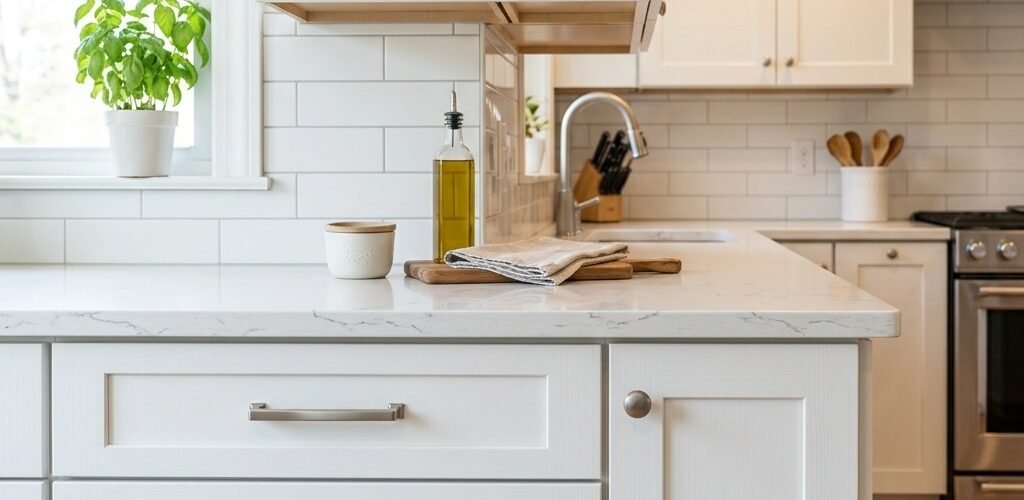
Second, keep the finish identical when mixing different hardware types. You can mix shapes confidently, but the color must match exactly. For instance, pairing a brushed nickel round knob with a brushed nickel bar pull looks intentional and cohesive.
Third, align your specific styles carefully to avoid a disjointed look. Pair a square knob with a sleek, straight pull for a unified modern aesthetic. Conversely, match a rounded mushroom knob with a curved handle for traditional kitchens. Consequently, the whole room feels professionally designed and perfectly balanced.
Furthermore, consider using pulls exclusively on the lower base cabinets. Then, use knobs exclusively on all the upper wall cabinets. As a result, this creates a clear visual boundary between the upper and lower zones of the kitchen. Therefore, the design feels anchored and logically organized.
In addition, large pantry doors require special consideration when mixing hardware. A tiny knob looks ridiculous on a massive eighty inch tall pantry door. Instead, install an appliance pull or an oversized handle on tall utility doors. Obviously, this provides the leverage needed to open large doors comfortably.
Similarly, small specialty pull outs like spice racks need tailored solutions. A standard pull might look too bulky on a narrow six inch spice pull out. Therefore, a simple knob often works best for these tiny, specialized cabinets. Ultimately, form must follow function when mixing hardware across different cabinet sizes.
Finally, trust your eye when laying out the mixed hardware plan. Mock up the locations using blue painters tape before drilling any holes. Consequently, you can step back and evaluate the entire visual balance of the room. Surely, this simple planning step prevents costly regrets later.
What to Avoid
First, completely avoid oversized hardware on very small cabinets. A massive 8 inch pull on a tiny 12 inch drawer looks ridiculous and out of proportion. Furthermore, large hardware can physically interfere with adjacent cabinet doors swinging open in tight corners.
Second, skip shiny chrome hardware if you hate cleaning constantly. Polished finishes show every single fingerprint, smudge, and water spot instantly. As a result, you will find yourself wiping down the hardware every single time you cook.
Third, never buy new hardware without checking the center spacing on your existing cabinets. Replacing old hardware requires matching the existing holes perfectly to avoid extra work. Otherwise, you must fill the old holes, sand them smooth, and repaint the entire door front.
In addition, avoid cheap hollow metal hardware from discount bins. Hollow pulls feel light, flimsy, and cheap in your hand every time you open a drawer. Consequently, they diminish the overall premium feel of your expensive new kitchen cabinets. Therefore, always spend a little extra for solid, weighty metal hardware.
Particularly, avoid mixing too many different finishes in one small kitchen space. Stick to a maximum of two metal finishes to keep the design cohesive. For example, use brass hardware with a matte black faucet. Obviously, adding a third metal like chrome makes the room look chaotic and poorly planned.
On the other hand, avoid placing hardware too close to the edge of the doors. Drilling too close to the edge weakens the wood frame and risks splitting the stile. Therefore, center the knob perfectly on the vertical frame piece for maximum strength and visual balance.
Also, avoid using drywall screws to install your cabinet hardware. Drywall screws are brittle and can snap off inside the knob under heavy pressure. Instead, always use the specialized machine screws that come packaged with the hardware. Thus, you ensure a safe, secure, and long lasting installation.
FAQ
Can I put pulls on all my cabinets?
Yes, using pulls everywhere is entirely possible and highly functional. Many modern kitchens use sleek bar pulls on both doors and drawers. Consequently, this creates a very streamlined, contemporary look across the entire space. Furthermore, it makes opening all cabinets equally easy.
Where exactly do knobs go on cabinet doors?
Place knobs 2.5 to 3 inches from the corner of the door opposite the hinges. Specifically, for upper cabinets, place them near the bottom corner. For lower base cabinets, install them near the top corner for easy reach. Therefore, they sit right where your hand naturally reaches.
Do I need two pulls on a wide drawer?
Drawers wider than 30 inches often function better with two pieces of hardware. However, a single extra long pull centered on the drawer is a popular modern alternative. Ultimately, either approach works well if installed securely with the right screws.
Are knobs or pulls cheaper?
Knobs generally cost less than pulls because they use less metal material. In addition, they only require drilling one hole per piece for installation. Therefore, using knobs exclusively will save money on both materials and installation labor overall.